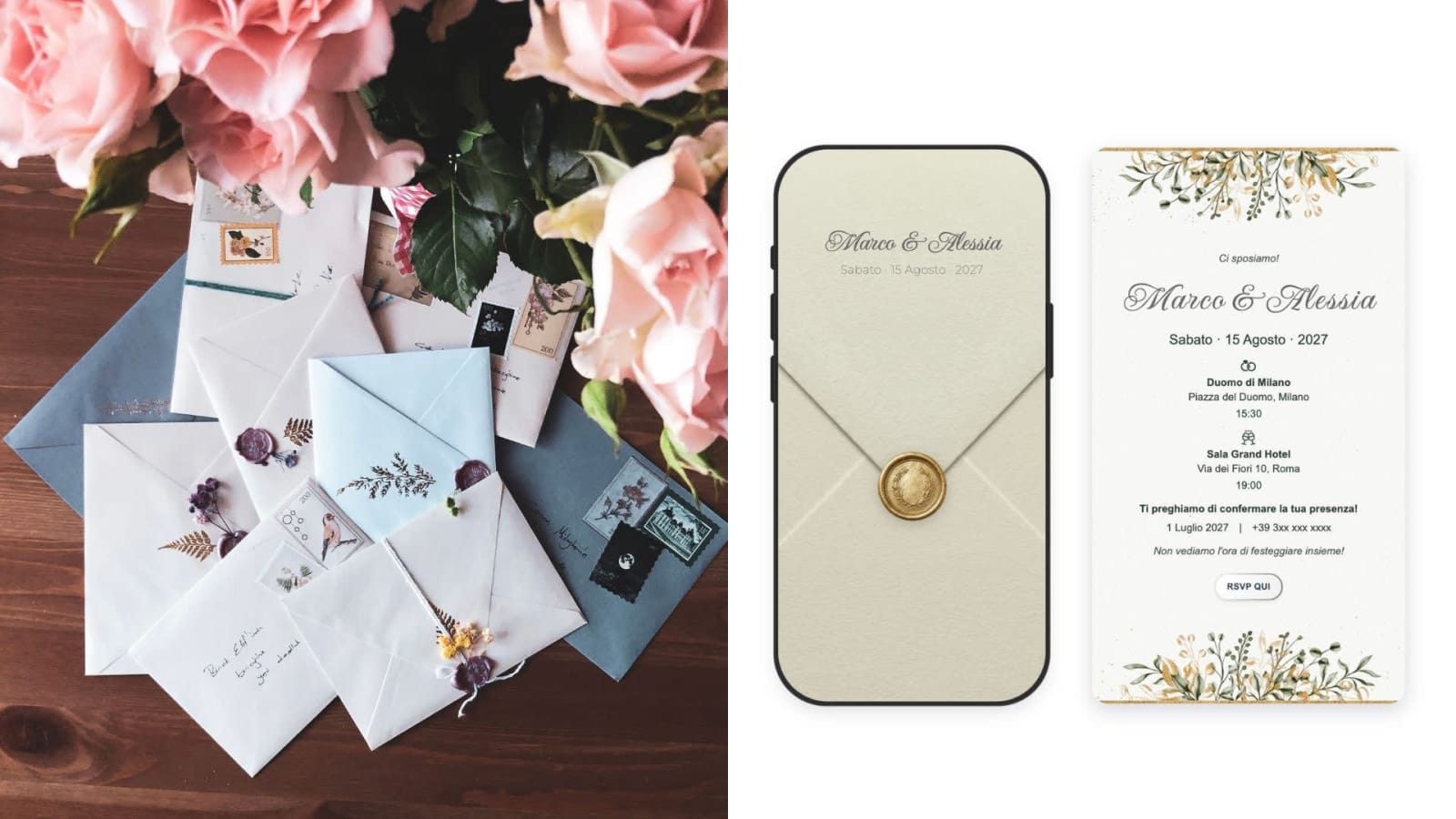
Printed vs. Digital Wedding Invitations: Why Going Digital is the Better Choice
Planning a wedding is one of the most exciting—and let’s be honest, overwhelming—experiences of a couple's life. Once the venue is booked and the date is set, the next major hurdle is letting your guests know. Traditionally, this meant thick cardstock, calligraphy, and multiple trips to the post office. But today, the wedding landscape has dramatically shifted.
Couples are increasingly torn between traditional printed wedding invitations and modern digital wedding invitations. While paper invites hold a certain nostalgic charm, an overwhelming number of modern couples are making the switch to digital.
If you're on the fence about how to announce your big day, the decision becomes much easier when you look at the cutting-edge features offered by modern platforms like einvite.net. Here is the ultimate guide to the "Printed vs. Digital" debate, and why going digital is undoubtedly the smarter, stress-free choice for the modern wedding.
The Nostalgia of Printed Invitations
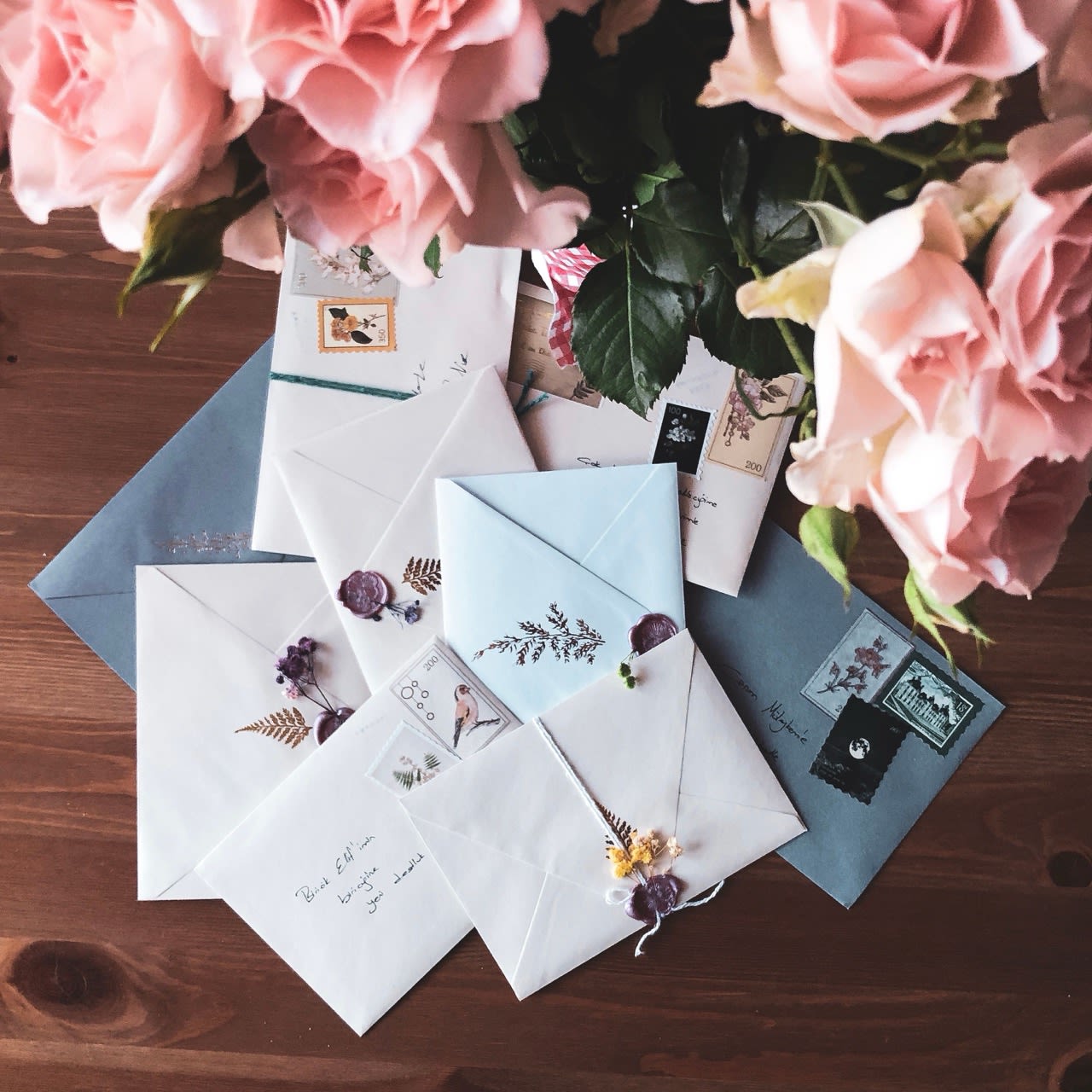
Before diving into the undeniable perks of digital invites, it is important to acknowledge why printed invitations have stuck around for so long. There is a tangible pleasure in opening a beautifully crafted physical envelope. For decades, paper invitations have served as treasured keepsakes.
However, in today's fast-paced, eco-conscious, and tech-driven world, the downsides of printed invitations—exorbitant costs, environmental waste, lost mail, and the dreaded manual RSVP tracking—often outweigh the fleeting joy of physical paper. Especially when modern digital invitations can still replicate the visual elegance of paper, complete with virtual envelopes and wax seals!
7 Reasons Why Digital Wedding Invitations Are the Better Choice
When you use a comprehensive platform like einvite.net, going digital means far more than just sending a standard email. It transforms your entire event management process. Here is why electronic wedding invites are revolutionizing event planning.
1. Unmatched Cost-Effectiveness & Zero Waste
Weddings are notoriously expensive. Traditional printed invitations (including save-the-dates, RSVP cards, detail cards, and postage) can easily cost couples well over $1,000. Additionally, the environmental footprint of paper production and shipping is massive.
Digital invitations cost a fraction of the price and offer a zero-waste, eco-friendly alternative. You get access to stunning templates that you can personalize effortlessly, keeping your budget intact and your carbon footprint low.
2. Instant Multi-Channel Sharing
We've all experienced the unreliability of traditional mail. Paper invitations get lost, delayed, or delivered to the wrong address.
With digital invitations, delivery meets your guests exactly where they already are. Instead of just relying on email, advanced platforms allow you to share your beautifully designed invites instantly across virtually any messaging app. Whether your friends prefer WhatsApp, iMessage, Telegram, Instagram, Messenger, Signal, or SMS, you can share your custom link with a single tap.
3. Effortless RSVP Tracking & Guest Categorization
Ask any married couple what the most stressful part of wedding planning is, and they will say: tracking down RSVPs. With paper invites, guests forget to mail back the little cards.
Digital wedding invitations come with automated RSVP tracking that categorizes your guests instantly. When guests RSVP online, you can easily track exactly who is coming and categorize them down to the finest detail—including how many Adults, Children, and Infants are in their party.
4. Interactive Table Organization
Organizing who sits where used to involve sticky notes on a giant poster board. Digital platforms have revolutionized this process. With integrated event organization tools, you can manage your seating chart directly on the platform. You can visualize your room layout by assigning guests to Round, Square, or Rectangular tables, or standard lists. As RSVPs roll in, just drag and drop your attendees into their perfect seats.
5. QR Smart Seating at the Venue
This is where digital truly leaves paper in the dust. On the day of your wedding, guests no longer need to crowd around a confusing paper seating chart at the entrance.
With QR Smart Seating, you can display a simple QR code at your venue. Guests scan it with their phones, and a personalized welcome screen pops up showing exactly which table they are at (e.g., "Welcome Jane Doe, Table 1") alongside a list of the other guests seated with them. It is modern, seamless, and incredibly impressive.
6. The Digital Guestbook
Why limit your guests to writing a quick sentence in a physical book that will gather dust on a shelf? Digital invitations often extend into a Digital Guestbook. Guests can leave heartfelt messages, well wishes, and even select fun emojis (😍, 🥳, 🥹) leading up to and during the event. This creates a living, breathing timeline of love and excitement that all guests can view and share in.
7. Bridging the Gap: Print Accessories
If you are worried that going digital means sacrificing all physical elements at your wedding, don't be! The best digital platforms offer hybrid solutions. You can easily generate and print sleek Print Accessories, such as physical table numbers, or beautiful signs reading "Scan QR to Find Your Seat" and "Scan QR to Sign the Guestbook." This provides the perfect blend of physical decor and digital convenience.
Final Thoughts: The Future is Paperless
When comparing printed wedding invitations vs. digital invitations, the winner is clear. Digital invitations are no longer just a trendy alternative—they are an all-in-one event management powerhouse.
By utilizing platforms like einvite.net, you don't just get a beautiful invitation; you get instant messaging integration, drag-and-drop seating charts, QR smart seating, and a digital guestbook. They save you time, protect your budget, help the environment, and offer an interactive, stress-free experience for both you and your guests.
Your wedding is the start of your beautiful future—why not start it with an invitation that actually belongs in the modern era?